KNOWLEDGE / MARKET SESSIONS

Market sessions

Asia, London, New York, weekend and liquidity changes in 24 hours.

06articles
Asian, European and US sessions: measuring differences
Market sessions4 min read

Asian, European and US sessions: measuring differences

Cryptocurrency trading continues across regional business hours, so session names describe overlapping participation rather than exchange-wide opening and closing bells. Choose a time zone and fixed window before comparing activity. A seasonal clock change…

  • First, define the context and horizon of the analysis.
  • Confirm your applications with independent data layers.
  • Take into account the quality of feed, spread and real cost of execution.
Read more
US market open and crypto: local time, liquidity and preparation
Market sessions4 min read

US market open and crypto: local time, liquidity and preparation

The NYSE core equity session opens at 09:30 America/New_York on its regular trading days. In Poland this is commonly 15:30, but different daylight-saving change dates create periods when the local time is 14:30. Exchange holidays and shortened sessions matter…

  • Use 09:30 America/New_York and verify the specific trading calendar.
  • Compare the reaction with a recorded pre-open range.
  • A session change is context, never a guaranteed bullish or bearish signal.
Read more
Weekend crypto markets: depth, spreads and execution risk
Market sessions4 min read

Weekend crypto markets: depth, spreads and execution risk

A weekend label cannot tell you whether a particular pair is liquid. Compare the same market, quote currency and intended order size with its own recent distribution. Displayed depth can fall while frequent replenishment still supports execution; conversely,…

  • First, define the context and horizon of the analysis.
  • Confirm your applications with independent data layers.
  • Take into account the quality of feed, spread and real cost of execution.
Read more
Preparing for a market session: scenarios and reference levels
Market sessions4 min read

Preparing for a market session: scenarios and reference levels

A useful session sheet separates facts, hypotheses and action conditions. Facts include the last closed higher-timeframe range, current trading availability and the scheduled event calendar. A hypothesis might be continuation above a reference high. Its…

  • First, define the context and horizon of the analysis.
  • Confirm your applications with independent data layers.
  • Take into account the quality of feed, spread and real cost of execution.
Read more
Will an Asian-session move survive European participation?
Market sessions4 min read

Will an Asian-session move survive European participation?

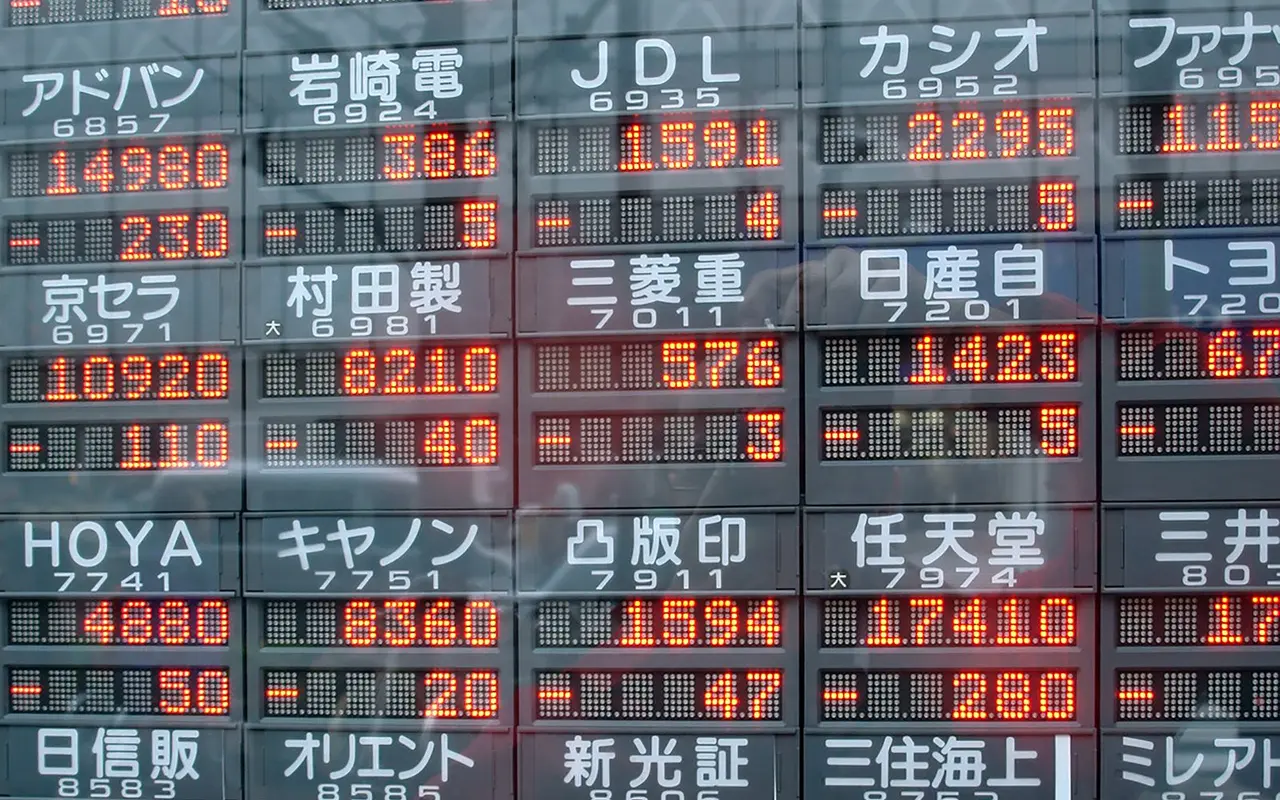
Acceptance means more than price touching a level. Specify whether you require closed candles outside the earlier range, repeated trading near the new price or a return to the boundary that attracts opposing flow without breaking it. These describe different…

  • First, define the context and horizon of the analysis.
  • Confirm your applications with independent data layers.
  • Take into account the quality of feed, spread and real cost of execution.
Read more
Session transitions and false breakouts: watching the handover
Market sessions4 min read

Session transitions and false breakouts: watching the handover

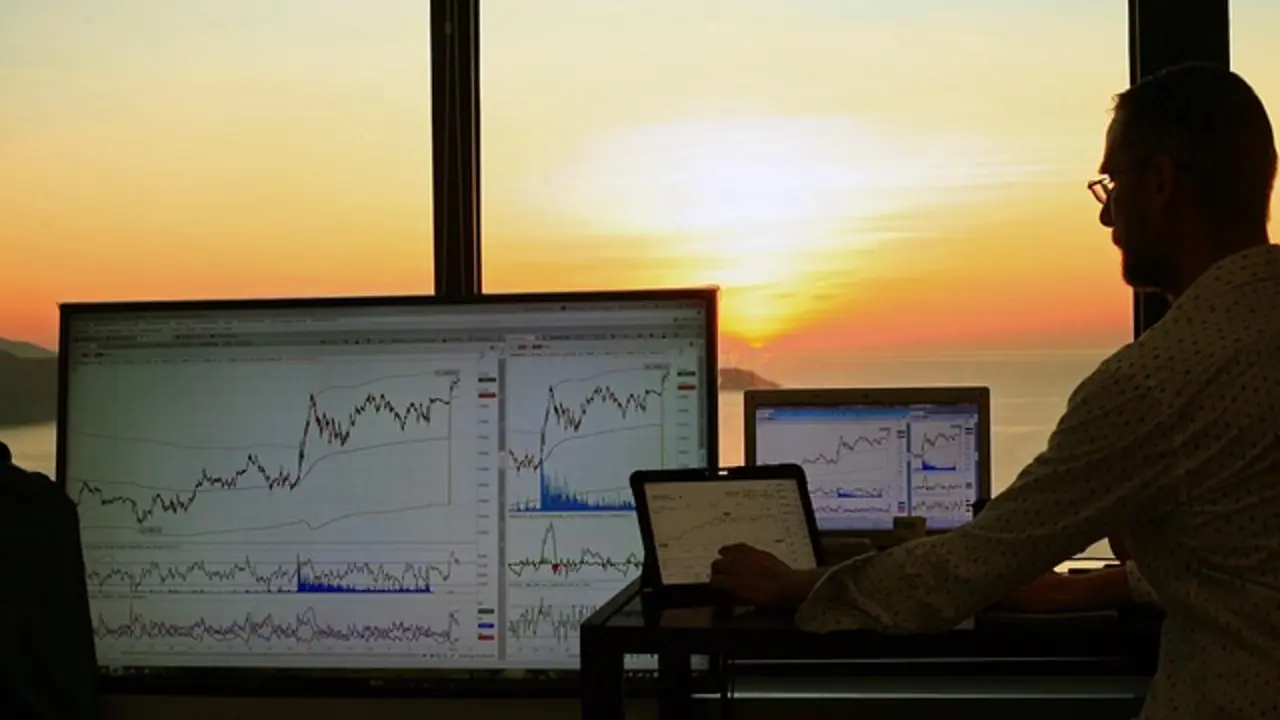
Regional business hours can coincide with changes in activity, but the size and timing of those changes vary by day and market. Measure the actual spread, turnover and price response around the transition instead of assuming that a session label causes a…

  • First, define the context and horizon of the analysis.
  • Confirm your applications with independent data layers.
  • Take into account the quality of feed, spread and real cost of execution.
Read more