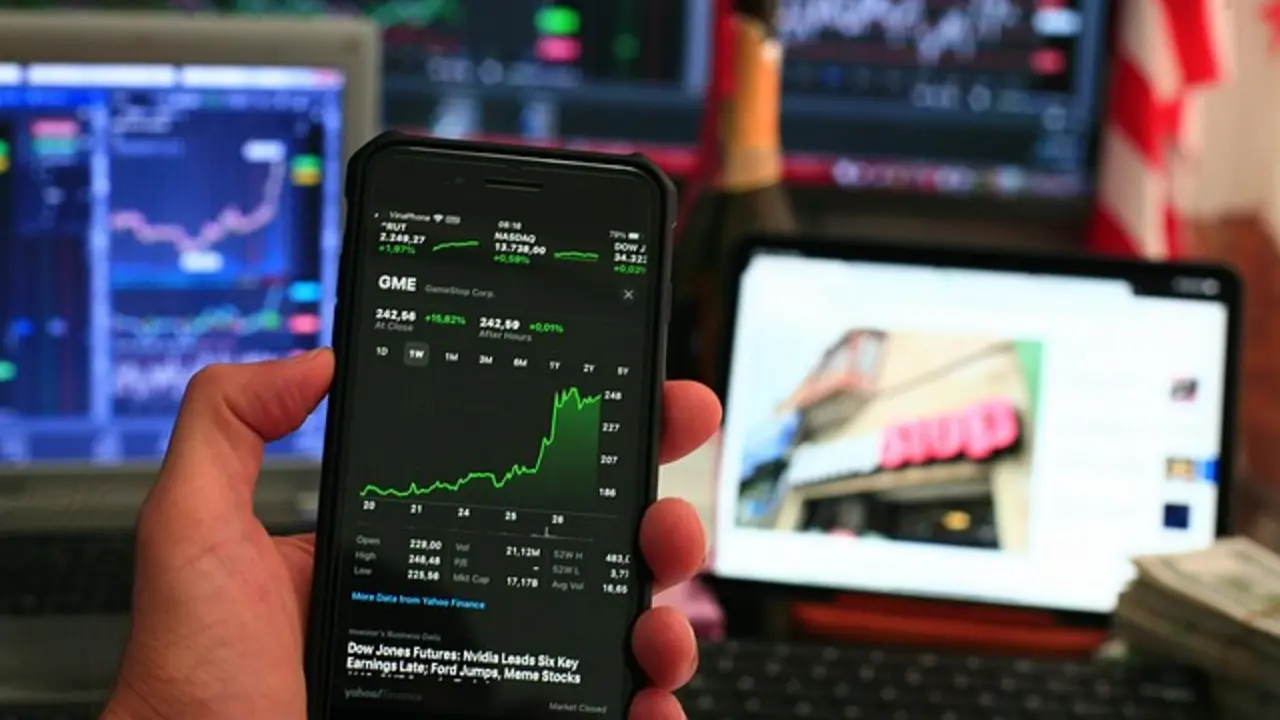
MARKET SESSIONS
Preparing for a market session: scenarios and reference levels
Good preparation before the session reduces the number of decisions taken under pressure. Instead of responding to each candle, it is worth defining in advance the levels, scenarios and data that will change the market assessment.

Good preparation before the session reduces the number of decisions taken under pressure. Instead of responding to each candle, it is worth defining in advance the levels, scenarios and data that will change the market assessment. In the market analysis, the most important is the repetitive method: first context, then evidence and at the end of the performance conditions. A single observation may draw attention to the market, but should not replace the full process.
What Is Really Worth Watching
The session plan should include the context of 4h/1d, the scope of the previous session, the closest high/low swing, important events, current spread and a list of instruments with sufficient liquidity. This gives a framework for later alerts. It is not about finding one number that determines the situation, but about understanding the mechanism and conditions in which the information becomes useful.
How to Read It in Practice
Prepare two or three scenarios: continuation, rejection and failure to resolve. For each of you, determine what must happen to be considered active. This way, you do not interpret the data again at each price move. It is worth saving the criteria before moving and after time to check if they were actually met. Only then can you distinguish a useful signal from a story matched to the fact and improve the process based on data.
Most common error
The most common trap is to create one directional assumption and defend it throughout the session. The market is not obliged to implement our scenario, therefore the plan must contain conditions for nullification and the possibility of remaining out of position. Under greater volatility and time pressure, it becomes easier to mistake an interesting observation for a tested edge. Therefore, the condition for cancellation, the quality of the data and the cost of entry should be determined before the decision is made.
How HOSTuvo incorporates this context into the process
HOSTuvo helps shorten the list of markets by Top 10 and scanners, but the user should still read their justification. Ranking is the starting point for verification, not the replacement of the session plan or the automatic action command. HOSTuvo does not submit automatic orders and does not guarantee the result. Research layers are settled after time, and the new model must be validated before it obtains the production impact.
Prepare a decision sheet rather than a directional prediction
A useful session sheet separates facts, hypotheses and action conditions. Facts include the last closed higher-timeframe range, current trading availability and the scheduled event calendar. A hypothesis might be continuation above a reference high. Its conditions specify what must happen next, what would invalidate it and when it expires. Keep these categories separate: an attractive story is not a confirmed fact. The preparation should reduce the number of decisions made in a rush, not lock the analyst into defending one preferred direction.
Hypothetical three-scenario plan
For a market ranging between 200 and 204, write one scenario for acceptance above 204, one for rejection back inside the range and one for continued indecision. Assign a different observation to each: closed candles outside, failed reclaim, or repeated overlap. Then add the same execution checks to all three. A spread jump can invalidate an otherwise interesting observation without telling you which direction comes next. Because the conditions were written first, a later review can identify which scenario occurred without rewriting the plan around the outcome.
Use a short post-session review
Compare the planned timestamps with what actually happened. Note whether an alert arrived before the relevant movement, whether the feed was current and whether the proposed order size remained realistic. Review the first decision after each change of scenario, including decisions to wait. Avoid adding a new rule for every unusual candle; group recurring errors first. If most failures came from entering after the move, improving alert timing may matter more than adding another trend indicator. Carry only a small number of concrete adjustments into the next session.
Sources and example scope
The references explain the underlying definitions and mechanisms. Numerical scenarios are hypothetical teaching examples, not forecasts or reported HOSTuvo returns.
IN HOSTuvo
See this context in the live terminal.
HOSTuvo helps shorten the list of markets by Top 10 and scanners, but the user should still read their justification. Ranking is the starting point for verification, not the replacement of the session plan or the automatic action command.