KNOWLEDGE / PRICE ACTION

Price Action

Price structure, levels, bumps, formations and compression of variation.

06articles
Support and Resistance Without Guessing: How to Set Important Levels
Price Action4 min read

Support and Resistance Without Guessing: How to Set Important Levels

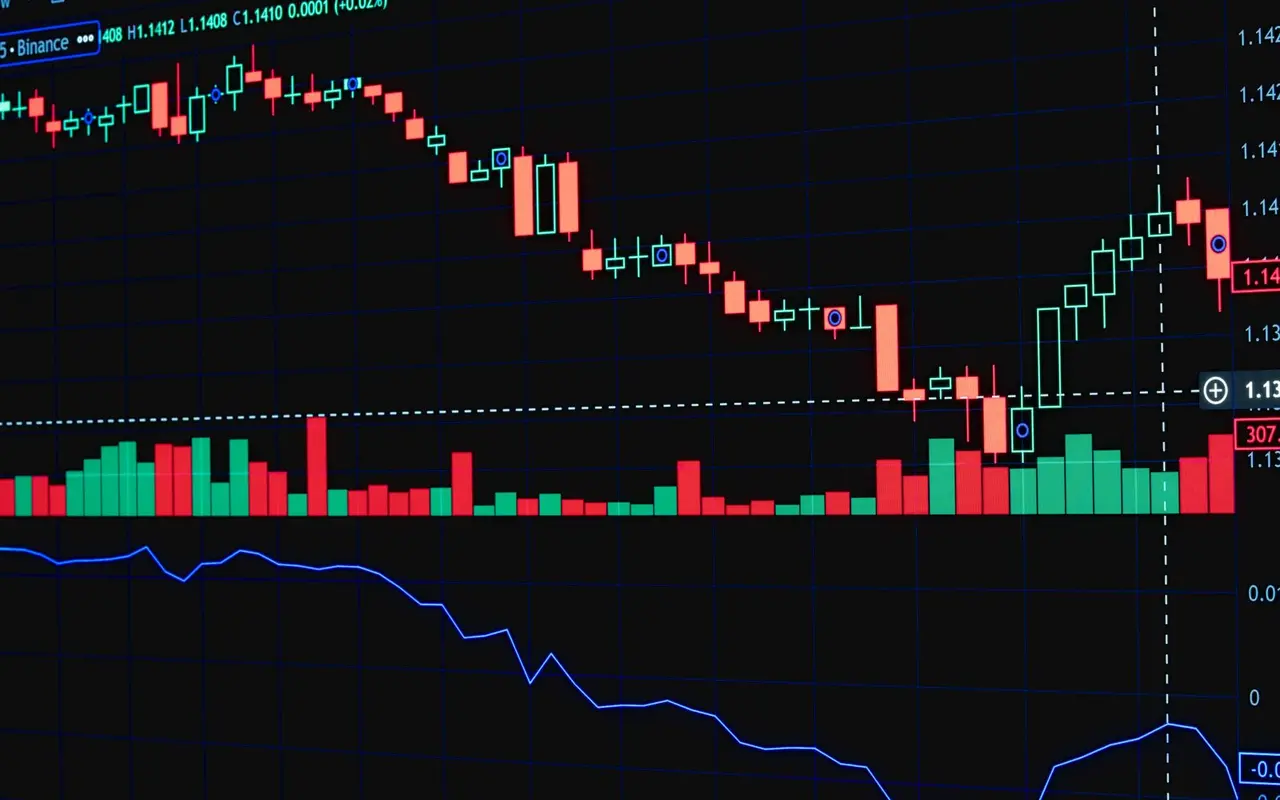
The level of support or resistance is not a single ideal price. This is an area where demand and supply have previously changed significantly, either activity has increased or the market has repeatedly reacted. The most important are the levels seen at the higher interval, the limits of the well defined range, the earlier high/low swing and the place of the large volume. The more independent reasons, the more...

  • First, define the context and horizon of the analysis.
  • Confirm your applications with independent data layers.
  • Take into account the quality of feed, spread and real cost of execution.
Read more
Breakout or fakeout? How to distinguish a bump from a trap
Price Action4 min read

Breakout or fakeout? How to distinguish a bump from a trap

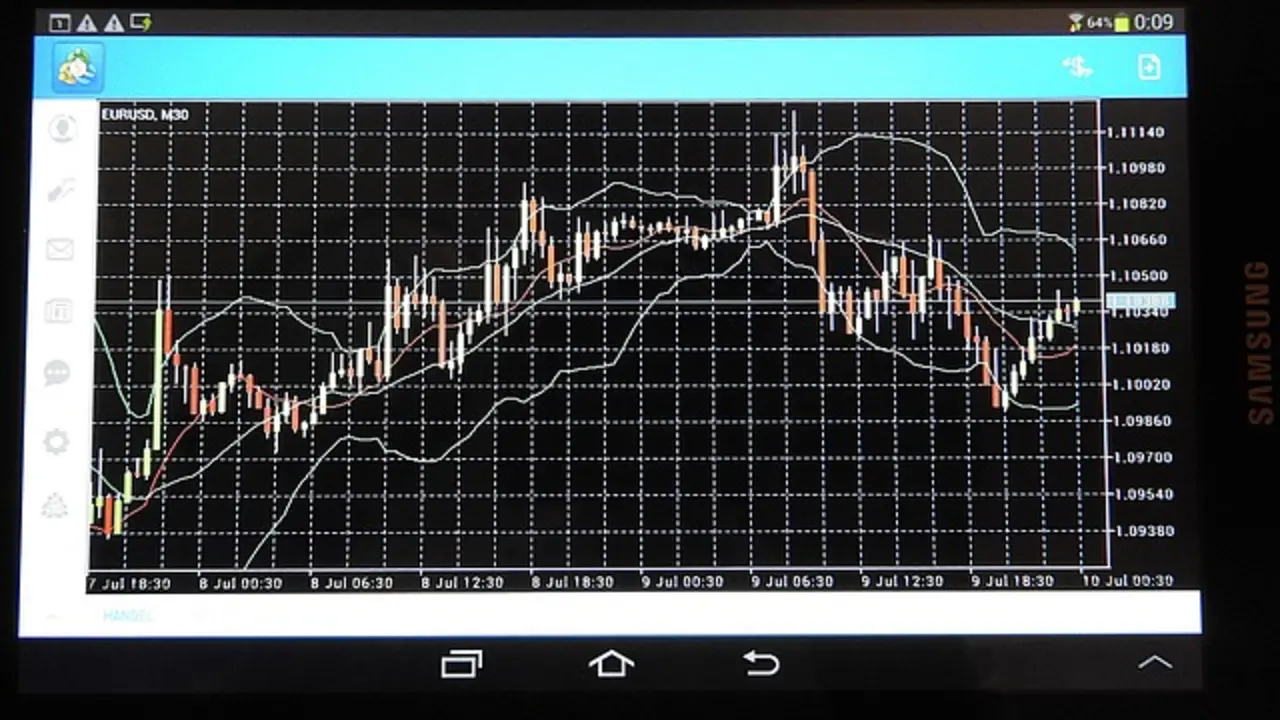
The impact is valuable when the market accepts prices outside the earlier range. The wick itself over resistance or rapid leap on a small volume is not enough, as it can only be a collection of liquidity and a return to the middle of the range. Search for closures outside the structure, increase participation and behavior during the retest. If the price quickly returns to the level of the mint, and the aggression of buyers does not give...

  • First, define the context and horizon of the analysis.
  • Confirm your applications with independent data layers.
  • Take into account the quality of feed, spread and real cost of execution.

Read more
Double Bottom and Double Top — When Formation Matters
Price Action4 min read

Double Bottom and Double Top — When Formation Matters

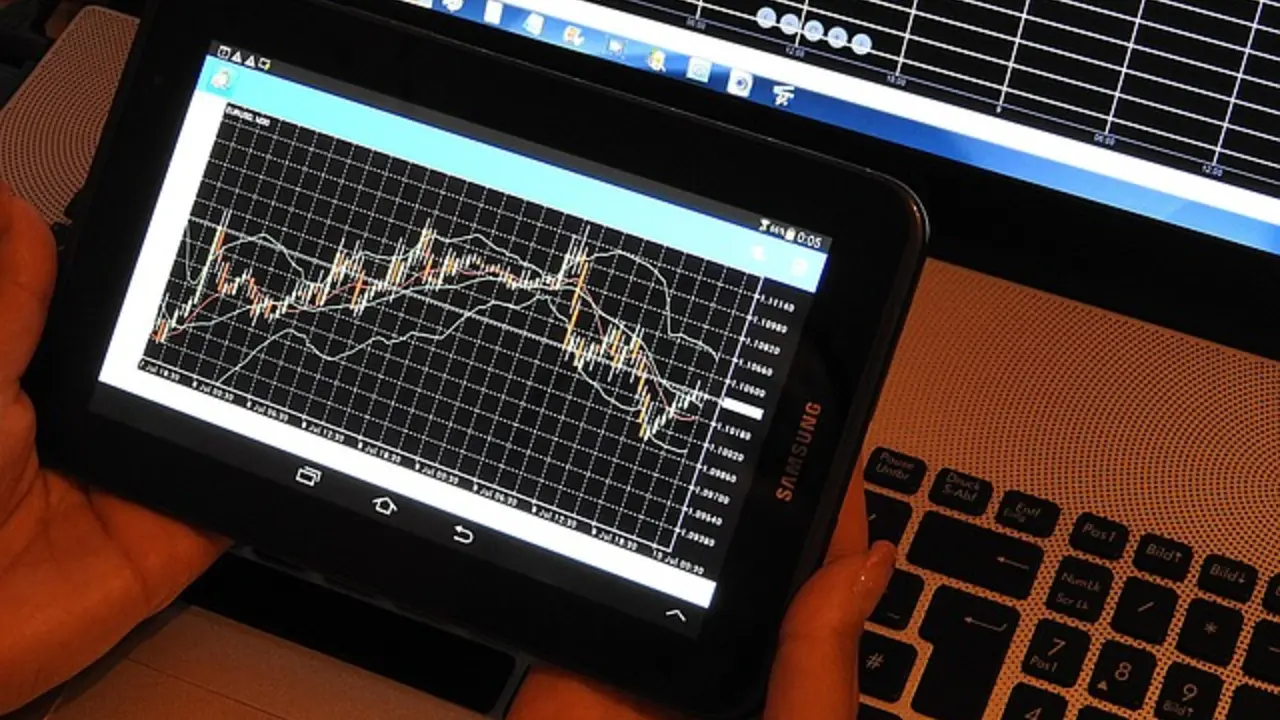
The formation is important when two tests of an important zone show a change in market ability to continue, and the structure between tests gives a clear point of confirmation. In Double Bottom, we are not only interested in the second hole, but whether the sales pressure is weakening, whether absorption is emerging and whether the price is recovering local swing. Similarly...

  • First, define the context and horizon of the analysis.
  • Confirm your applications with independent data layers.
  • Take into account the quality of feed, spread and real cost of execution.
Read more
Bull Flag and Bear Flag — How to Rate Continuity of Movement
Price Action4 min read

Bull Flag and Bear Flag — How to Rate Continuity of Movement

The flag is a structure of consolidation after the impulse that may precede the continuation, but only if the previous move was qualitative and correction does not destroy its structure. The parallel channel itself on the chart is not enough. In Bull Flag we are looking for an orderly correction less moment than the impulse, maintaining key levels and returning demand when trying to break out. Bear Flag works...

  • First, define the context and horizon of the analysis.
  • Confirm your applications with independent data layers.
  • Take into account the quality of feed, spread and real cost of execution.

Read more
Compression of variation: what often happens before a large movement
Price Action4 min read

Compression of variation: what often happens before a large movement

Compression means a decline in traffic range and often collecting orders on both sides of the market. However, it does not tell you which direction the expansion will take. Its value is that the current state may be unstable. It can be observed by narrowing Bollinger, decline ATR, tight range, decreasing traffic spread between swings and order density. It is important whether compression accompanied...

  • First, define the context and horizon of the analysis.
  • Confirm your applications with independent data layers.
  • Take into account the quality of feed, spread and real cost of execution.
Read more
Level test after a chart
Price Action4 min read

Retest after knockout: When the return to level strengthens the setup

After an important level has been reached, the price often returns to the area that was previously resisting or supporting. The retest is not mandatory, but when it appears, it gives the opportunity to verify whether the market has actually accepted new prices and whether the other party has lost control. A qualitative retest should respect the area that was struck, show less pressure against the original impulse, and end...

  • First, define the context and horizon of the analysis.
  • Confirm your applications with independent data layers.
  • Take into account the quality of feed, spread and real cost of execution.
Read more