MARKET SESSIONS
US market open and crypto: local time, liquidity and preparation
Use the New York market open as context for crypto analysis. Check the actual time zone, liquidity and price reaction rather than assuming a direction.
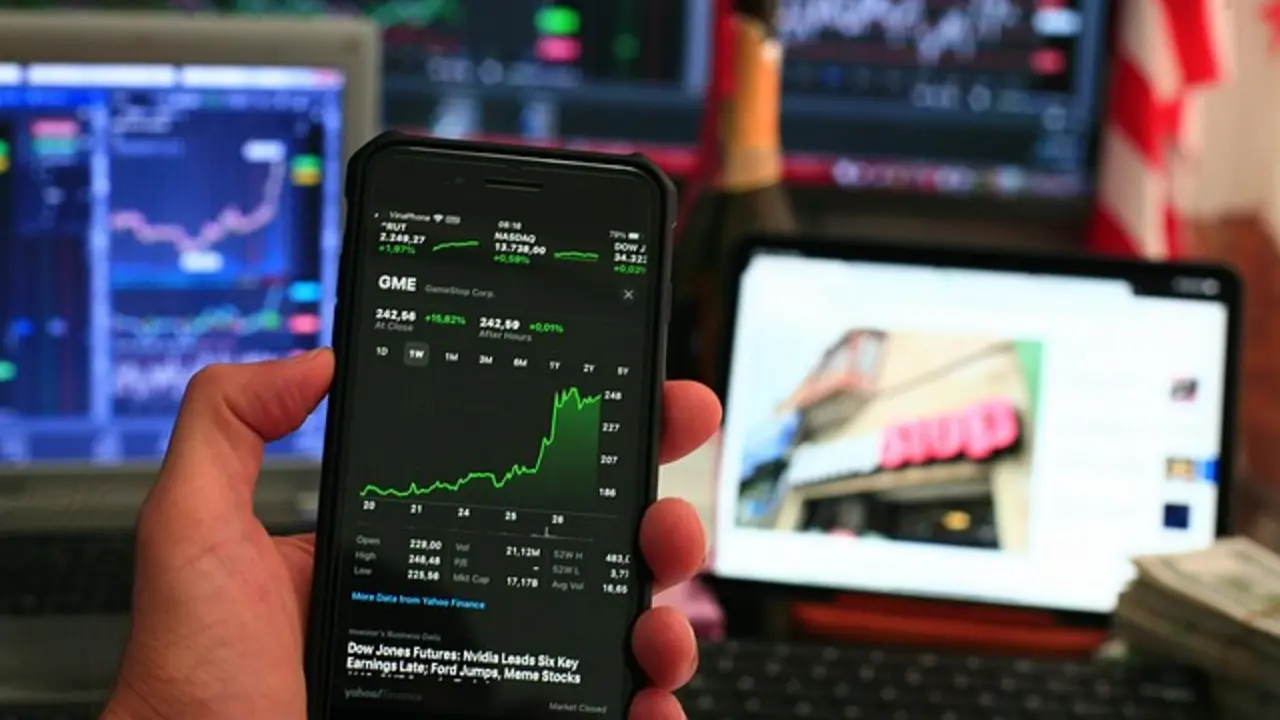
Crypto markets operate beyond the regular U.S. stock-market session. The New York open is therefore a time reference for examining activity, not the opening of the crypto market itself. It can be useful to compare behaviour around that reference, but the clock alone cannot tell you whether Bitcoin or an altcoin will rise.
Use New York time instead of a fixed local shortcut
The NYSE core session runs from 9:30 a.m. to 4:00 p.m. Eastern Time on regular trading days. Holidays and early closes require the official calendar. For a Polish user, do not permanently hard-code 09:30 America/New_York: the U.S. and Europe change daylight-saving time on different dates. Convert from America/New_York to Europe/Warsaw for the particular trading day. A session label with the wrong offset is not a reliable event marker.
Write down the pre-open reference
Before the open, note the preceding range, the nearest higher-timeframe reaction zones and whether price has already travelled far from them. Record the spread and source time for the pair you can actually trade. That creates a baseline for distinguishing new information from ordinary continuation. The checklist is about a before-and-after comparison; it is not a recommendation to enter just before a scheduled time.
Observe acceptance or rejection, not the first candle colour
After the reference time, compare price with the pre-open range and watch whether a move holds outside it. Executed activity, cancellations and changing liquidity are different observations. A brief wick above resistance followed by a return inside the range is not the same event as sustained trading above that level. Define the observation interval in advance so that a later explanation does not move the goalposts.
Keep macro releases and trading costs separate
An economic release has its own publication time; it should not be conflated with the stock-market open. Wider spreads or thin depth can make an apparently attractive chart move expensive to trade. Use official schedules for the event and current execution quotes for costs. In HOSTuvo, session context can guide which instruments deserve attention, but a timing label does not override the entry checks or turn a research output into an order.
Use the exchange clock, not a fixed Polish shortcut
The NYSE core equity session opens at 09:30 America/New_York on its regular trading days. In Poland this is commonly 15:30, but different daylight-saving change dates create periods when the local time is 14:30. Exchange holidays and shortened sessions matter as well. Cryptocurrency markets do not open at that moment; a different group of related markets becomes active. Derive the local time from the calendar and named time zones, then check the day's schedule instead of carrying yesterday's assumption forward.
Hypothetical observation around the open
Suppose BTC trades inside a 100–102 reference range before the equity open. A quick print at 102.4 followed by a return to 101.8 is different from several closed candles holding above 102 with accessible liquidity. Record both the initial excursion and subsequent acceptance. If spread briefly triples, a price visible on the chart may not represent an attainable fill. The example does not imply that the second pattern must continue; it illustrates which evidence would distinguish a lasting change in participation from a short burst.
Keep announcements separate from the opening event
A US data release and the equity opening auction are separate timestamps. Mark each on the session plan and avoid attributing all movement near them to a single cause. Compare the actual release time, the first market response and the later opening response. Preserve the pre-open scenario when reviewing the day: do not move its range boundaries to include the first reversal. If no usable setup develops, the preparation still has value because it identifies the conditions that were absent rather than treating every opening as an obligation to trade.
Sources and example scope
The references explain the underlying definitions and mechanisms. Numerical scenarios are hypothetical teaching examples, not forecasts or reported HOSTuvo returns.
IN HOSTuvo
See this context in the live terminal.
Combine the session reference with closed 4h/1d structure, current quotes and tactical checks. Read observed evidence rather than a prediction attached to the clock.