ORDER FLOW
Order flow basics: executed trades and the price response
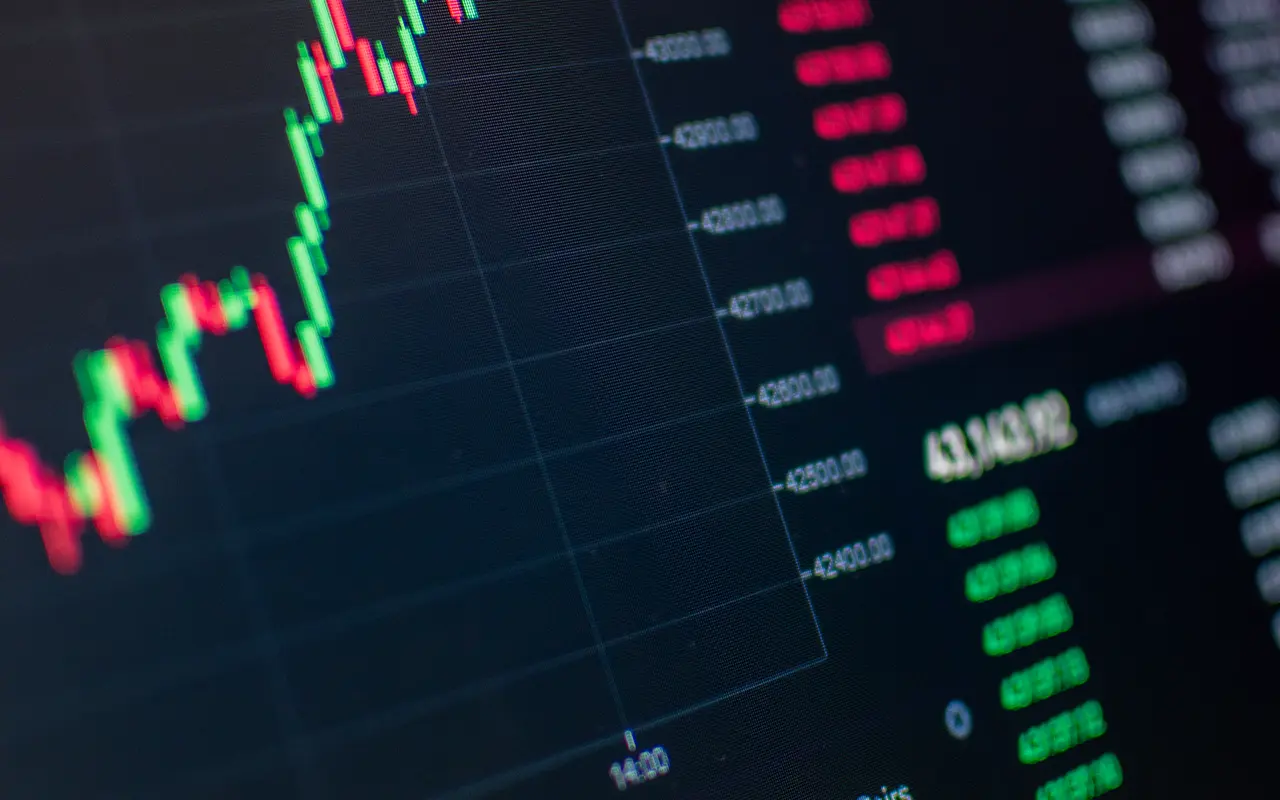
The candle shows the result of the transaction at a given time, but does not directly show who initiated the trade and where the liquidity was located. Order flow tries to describe this layer of the process using the transaction and ordersheet.

The candle shows the result of the transaction at a given time, but does not directly show who initiated the trade and where the liquidity was. Order flow tries to describe this layer of the process using a transaction and ordersheet. In market analysis, the most important is the repetitive method: first context, then evidence and finally performance conditions. A single observation may draw attention to the market, but should not replace the full process.
What Is Really Worth Watching
Aggressive buyers take the available ask offer and aggressive seller hits the bid. If large aggression does not move prices, absorption may occur; if small aggression causes a lot of traffic, the market may be shallow. It is not about finding one number that determines the situation but about understanding the mechanism and conditions in which the information becomes useful.
How to Read It in Practice
Read flow always at level and in context of structure. Pay attention to CVD, delta, transaction rate, depth L2 and the reaction after a large cluster. The most valuable are behavior changes, not an absolute number. It is worth saving the criteria before moving and after a time to check if they were actually met. Only then can you distinguish the useful signal from the story matched after the fact and improve the process based on data.
Most common error
The error is to treat the order flow as a microscope that guarantees the advantage. Feed may be incomplete, orders can be cancelled, and various exchanges show different market fragments. It is always necessary to control the quality of data. Under greater volatility and time pressure, it becomes easier to mistake an interesting observation for a tested edge. Therefore, the condition for cancellation, the quality of the data and the cost of entry should be determined before the decision is made.
How HOSTuvo incorporates this context into the process
HOSTuvo uses Order Flow as an independent layer, not as a final signal. CVD, pressure and absorption can confirm or negate setup from price and the lack of data should lower certainty instead of being replaced with zero. HOSTuvo does not submit automatic orders and does not guarantee the result. Research layers are settled after time, and the new model must be validated before it obtains the production impact.
Distinguish aggressor flow from resting liquidity
Every executed trade has both a buyer and a seller. Aggressor-side analysis asks which side crossed available liquidity, rather than counting buyers and sellers as if one trade could contain only one. Resting bids and asks describe displayed intentions; trade records describe completed matches. Feed conventions differ, so verify whether a side field identifies the maker or the taker before assigning a sign. A sign error reverses the interpretation of an otherwise accurate volume calculation without creating an obvious gap in the chart.
Hypothetical flow with little upward progress
Suppose a short window contains 120 units of aggressive buying and 80 units of aggressive selling. Signed delta is positive by 40 units, but the price may still remain below a nearby offer zone. That combination raises a question about passive selling or replenishment; it does not prove the presence of one large seller. If price advances easily with less buying in the next window, the response has changed. Compare flow and movement together instead of assuming that positive delta mechanically requires a higher next price.
Audit the feed before interpreting a divergence
Use exchange timestamps, trade identifiers and a consistent market definition. Reconnecting can introduce missing or duplicate matches, which can distort cumulative measures even when the latest price looks correct. Keep spot and perpetual activity separate unless the aggregation is explicitly defined. When a gap is detected, label the affected interval rather than treating an empty segment as neutral flow. An order-flow view is most useful when its coverage is visible: a complete record from one venue remains a partial view of the broader crypto market.
Sources and example scope
The references explain the underlying definitions and mechanisms. Numerical scenarios are hypothetical teaching examples, not forecasts or reported HOSTuvo returns.
IN HOSTuvo
See this context in the live terminal.
HOSTuvo uses Order Flow as an independent layer, not as a final signal. CVD, pressure and absorption can confirm or negate setup from price and the lack of data should lower certainty instead of being replaced with zero.