Spot market workflow
Crypto Spot Trading Scanner: Build a Clear Review Routine
Build a spot market review routine with HOSTuvo rankings, tactical context, data checks and cost analysis. Separate promising candidates from trade decisions.
This guide is currently available in English. The language menu opens the homepage in your selected language.
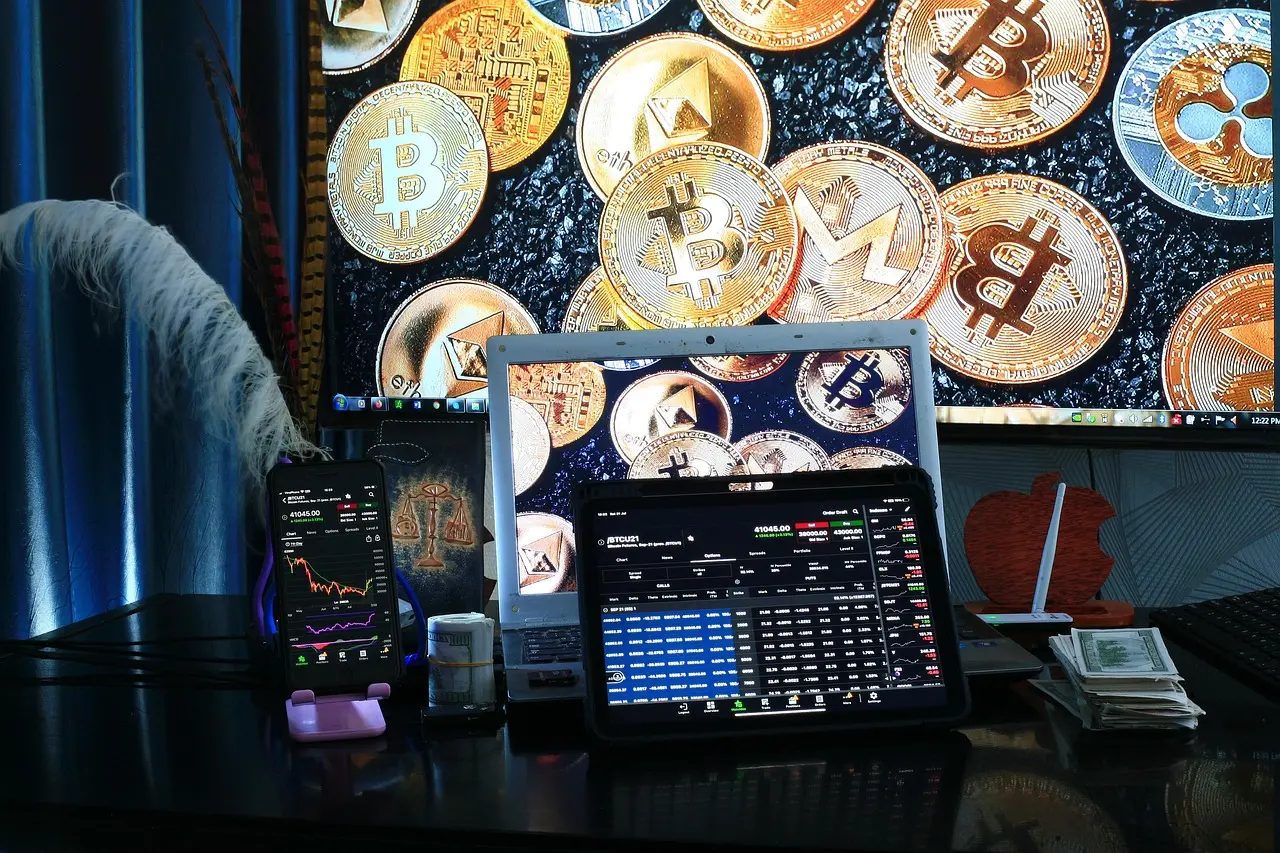
A crypto spot trading scanner can reduce the effort of finding markets worth examining. The real advantage comes from what happens next: checking the venue, studying the evidence and deciding whether a candidate belongs on your watchlist.
1. Start with the markets you can actually assess
Set the exchange and quote currency before comparing instruments. A token can trade against several currencies and on several venues, with different spreads, depth and recent activity. A familiar ticker alone does not identify the market you are reviewing. Record the complete pair and venue so your chart, scanner entry and any later cost assumptions refer to the same thing.
For a spot workflow, distinguish analysis of an asset you could own from leveraged exposure or a derivatives contract. Features, funding and liquidation mechanics from another product should not be imported into a spot comparison. Start with a manageable watchlist and expand it only when you can still review why each candidate has earned a place.
2. Treat the ranking as the beginning of research
A high scanner rank means the instrument matches the ranking's criteria relatively well at that moment. It does not establish an attractive entry price or remove uncertainty. Open the underlying detail and identify the reason for the rank: recent strength, a developing structure or another displayed condition. Record that reason rather than keeping only the numerical position.
In HOSTuvo, move from the candidate list to the chart and the relevant analysis. Check whether the selected symbol remains consistent after navigation. Review data quality before comparing close scores. A small difference between two rankings is less informative when one market has incomplete inputs or materially higher transaction friction.
3. Match the analysis horizon to your routine
Use PRE-MOVE for the tactical context it describes and inspect the separate 4h/1d Accumulation view for the broader setup. A short rebound may be visible while the larger structure is still weak. Conversely, a constructive longer view can contain a noisy short-term decline. Decide which horizon answers your question before interpreting their agreement or disagreement.
Suppose you can review markets only in the morning and evening. An observation framed around a few minutes may expire long before your next visit. Your notes should therefore state both the evidence and its useful time window. Do not extend an old tactical reading into a day-long forecast simply because the last visible label was positive.
4. Compare two hypothetical candidates beyond rank
Imagine candidate A has a stronger rank but an estimated combined entry and exit friction of 0.7%. Candidate B ranks slightly lower with estimated friction of 0.25%. If the move you are examining is only 0.6%, A's gross opportunity would not cover that cost assumption. This is an illustrative comparison, not a forecast or a live quotation for either market.
Now check whether the assumptions fit the actual venue and intended order size. Include fees, spread and possible slippage without counting the same component twice. HOSTuvo's cost context and separate break-even calculator help organise this question. A candidate can be interesting as market information while still being unsuitable for the transaction you had in mind.
5. Make rejection criteria part of the process
Before following a candidate, write down what would make you stop monitoring it: stale inputs, loss of the observed structure, an unexpectedly wide spread or a change in the broader market. These criteria make the watchlist easier to maintain. They also prevent a once-interesting rank from becoming a permanent attachment to a particular token.
Read HOLD as a prompt to examine the stated limitations. Directional evidence and readiness for action are separate assessments, so a market can show upward pressure without passing all the relevant checks. When the reason is incomplete data, return after fresh observations arrive rather than filling the gap with a stronger personal interpretation of the score.
6. Keep a compact, repeatable spot research loop
A complete review can fit into a short sequence: choose the venue, shortlist candidates, inspect the chart, compare horizons, review available flow and assess costs. Finish with a recorded decision to monitor, investigate further or move on. Include the timestamp and one clear reason. The purpose is a process you can review, not an obligation to find a trade every time.
HOSTuvo brings these analytical steps into a shared terminal so you can spend less effort assembling context across separate screens. Explore the current product and documentation using a real watchlist you understand. Assess whether the explanations help your research, while keeping execution decisions and the risks of spot ownership in your own account workflow.
Sources and editorial approach
Prepared with AI assistance for HOSTuvo Editorial. Source links support the explanations; they do not endorse HOSTuvo or certify a trading result. Educational examples are hypothetical and are not live trading instructions.