Market structure
Crypto Order Flow Analysis: Read Trades, CVD and Imbalance
Understand executed trades, CVD and order-book imbalance without confusing activity with certainty. Explore a practical crypto order flow workflow in HOSTuvo.
This guide is currently available in English. The language menu opens the homepage in your selected language.
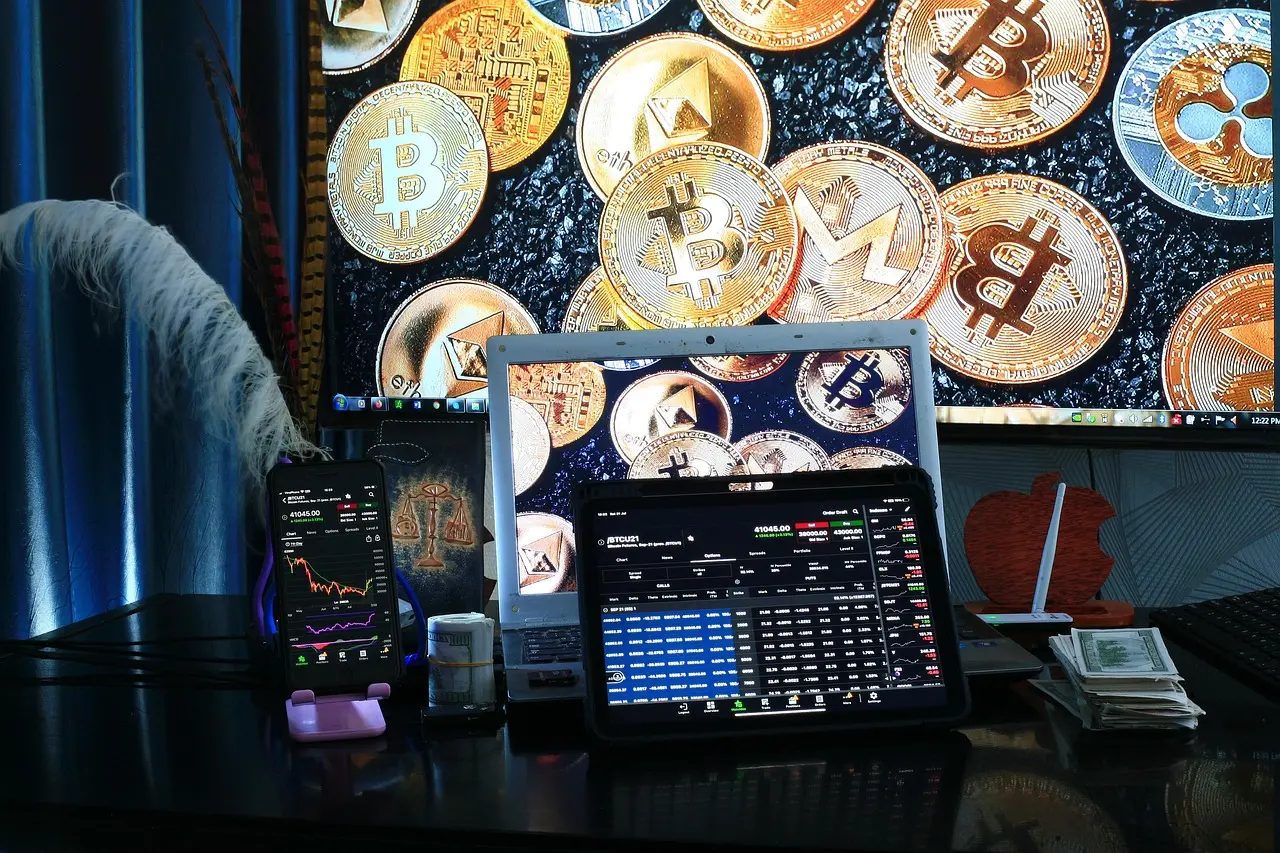
Price shows where a market has traded. Order flow helps you investigate how that trading happened. The useful question is not simply whether a flow number is positive, but whether executed activity, available liquidity and price behavior tell a consistent story.
Separate completed trades from resting intentions
An executed trade is a completed exchange between a buyer and a seller. Aggressor-side analysis identifies which side crossed the spread to transact, when the source data supports that classification. The order book describes available resting orders at a moment in time. Those orders can be cancelled, moved or filled, so a large displayed bid is not the same evidence as a sequence of completed purchases.
Keep those two layers distinct when reading HOSTuvo. A book imbalance can describe the visible distribution of liquidity, while a trade-based measure describes recent execution. Neither covers the entire global crypto market. Confirm the exchange, pair and update time before comparing panels, especially when your intended trading venue differs from the source of the displayed analysis.
Read CVD together with price and its measurement window
Cumulative volume delta aggregates the difference between classified aggressive buying and selling within the underlying dataset. Its interpretation depends on the venue, trade classification, starting point and interval. A rising value indicates net buying aggression in that measurement, but it does not by itself prove that the price must rise or that buyers will remain active after the current observation.
Compare the flow with what price actually does. If aggressive buying increases while price struggles to advance, resting sellers may be absorbing the demand, although the chart and feed cannot establish every participant's intention. Treat this as a question to investigate. A divergence is contextual evidence rather than a guaranteed reversal, and a reset or missing feed segment can change its appearance.
Use a focused order flow review in HOSTuvo
Choose a market, verify its identity and open the available Order Flow information. Check the displayed periods before comparing CVD readings; a one-minute burst and a fifteen-minute balance summarize different activity. Inspect the chart near a relevant level, then consider whether the flow is supporting a breakout, opposing it or remaining too mixed to support a useful interpretation.
Add the order book only as another observation. Look at whether liquidity near the current price remains present through repeated updates, and remember that a screenshot cannot establish persistence. Review the tactical PRE-MOVE assessment and the broader decision context separately. If a required feed is unavailable, record the gap and reduce the conclusion to what the remaining evidence actually supports.
Consider a hypothetical absorption scenario
Imagine a fictional pair repeatedly trades near 10.00. Classified aggressive buying increases, yet the price makes little progress above that area. One possible explanation is that sellers replenish liquidity as buyers cross the spread. Another is that your short observation window has captured only a temporary pause. The visible pattern alone cannot identify the seller or prove that a reversal is imminent.
Write down both possibilities before looking for another indicator. Continued trading above the area with supportive execution would change the first interpretation; a failed attempt followed by weaker price and selling aggression would change it differently. Define the timeframe on which you will reassess. This example explains a research process and uses an invented price, not a current signal or trade instruction.
Account for fragmented venues and feed limitations
Crypto liquidity is distributed across exchanges and market types. Spot execution on one venue can differ from activity elsewhere, and derivatives flows can have a different economic meaning. Do not combine unrelated readings as though they were one consolidated tape. The same ticker can also represent different quote assets or instruments, making market identity essential to a fair comparison.
Unexpected flat lines and sudden jumps deserve a data check before a market explanation. A disconnected stream, changed aggregation window or trade-classification limitation can produce a convincing-looking pattern. HOSTuvo's data freshness and availability context helps frame what you are seeing. Treat an unavailable value as unavailable, and avoid claiming that an absence of visible buying proves there were no buyers.
Turn order flow into a disciplined research process
A compact note is enough: venue and pair, observation window, price behavior, executed flow, resting liquidity and the main alternative explanation. Add estimated spread, fees and likely execution friction before considering any action. Order flow can help describe the interaction around a level, but even a coherent explanation may leave too little room for costs or too much uncertainty about the next move.
Use HOSTuvo to move between these related observations without losing the selected market context. Review both successful and failed interpretations using the information available at the time. The goal is a more consistent reading of evidence, not a promise to see hidden intentions. Read the CVD guide for measurement details and the cost guide to connect analysis with realistic execution assumptions.
Sources and editorial approach
Prepared with AI assistance for HOSTuvo Editorial. Source links support the explanations; they do not endorse HOSTuvo or certify a trading result. Educational examples are hypothetical and are not live trading instructions.