Market structure
Crypto Liquidity Analysis: Understand Spread, Depth and Size
Learn how spread, order-book depth, cancellations and order size affect crypto execution. Use HOSTuvo to connect market analysis with realistic costs.
This guide is currently available in English. The language menu opens the homepage in your selected language.
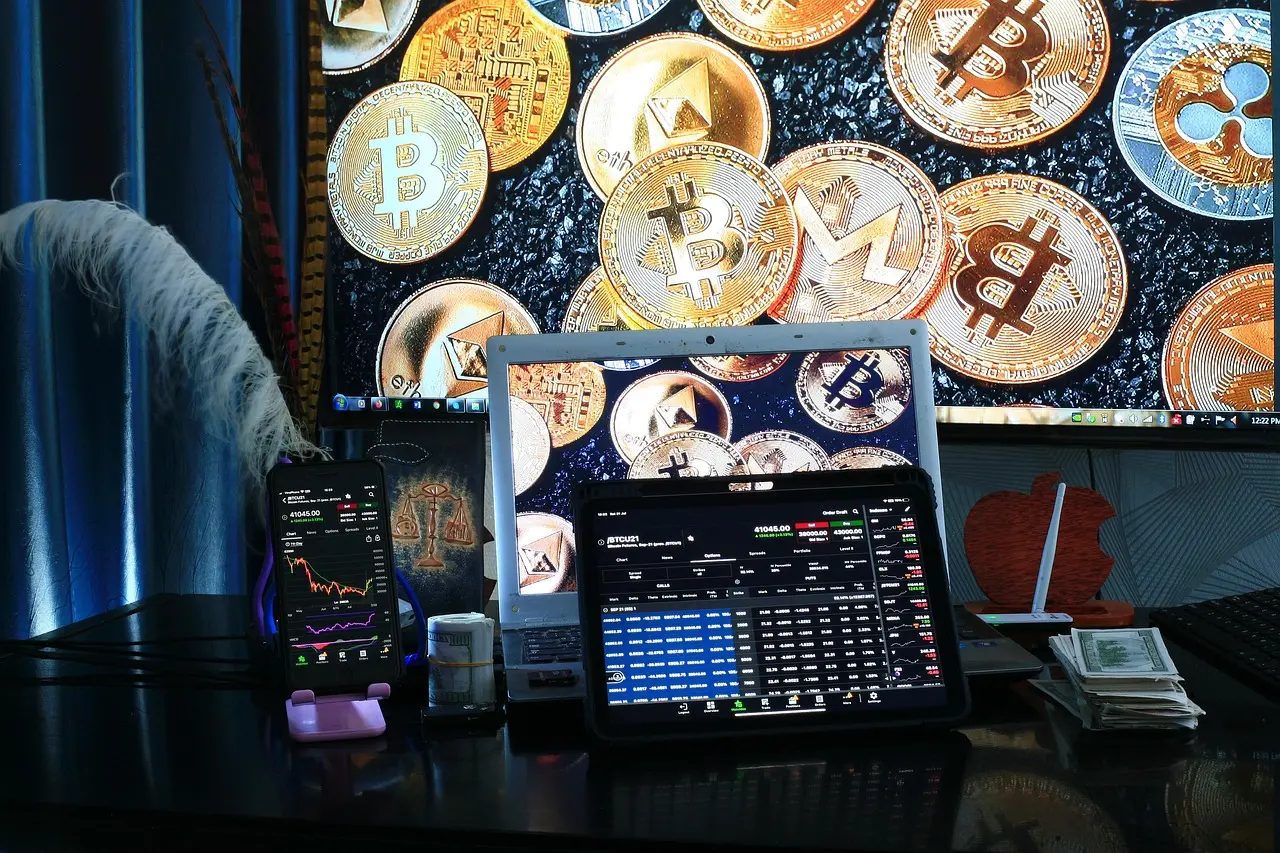
An attractive chart can hide an expensive execution. Crypto liquidity analysis asks how much you could transact, at what approximate cost and under what changing conditions. It connects a market idea to the practical limits of entering and leaving a position.
Read liquidity as a changing condition
Liquidity is the ability to transact without moving the price excessively. It is not a permanent label attached to a coin. Conditions vary by exchange, pair, time of day and order size. A widely known asset can still have an expensive local market, while a smaller pair may appear easy to trade at a tiny size but become costly as soon as the requested quantity increases.
Begin with the exact venue and instrument you intend to evaluate. Record the spread and inspect the available book near the current price. Then consider recent execution activity and the freshness of the feed. In HOSTuvo, keep those observations alongside the market analysis so a favorable directional picture does not distract you from a poor or uncertain execution environment.
Distinguish the spread from available depth
The spread is the distance between the best displayed bid and ask. It describes only the top of the book. Depth describes quantities offered at additional price levels. A narrow spread with very little quantity behind it may be less useful for your intended order than a slightly wider spread with more stable depth. Both measurements are snapshots that can change before execution.
Compare the book with your planned size rather than with an arbitrary visual impression. The last traded price is not a promise that your entire order will fill there. An aggressive order may consume several levels, producing an average execution price different from the first quote. A limit order controls its price condition but may fill partially, wait indefinitely or never execute.
See how order size changes a hypothetical fill
Imagine a static fictional ask book with 100 units at 10.00, another 100 at 10.02 and a further 100 at 10.05. Buying 50 units would use only the first level in this simplified example. Buying 250 units would reach all three levels: the total cost would be 2504.50 and the average price 10.018, before fees. The same screen therefore implies different execution costs for different quantities.
Real books do not stand still while an order travels. Cancellations, new orders and other traders' executions can change that result. The example illustrates arithmetic, not a fill guarantee or a representation of HOSTuvo's current market data. Use a conservative assumption and examine the sell side as well; entering a position efficiently does not establish that you can exit it on equal terms.
Treat visible walls and exchange differences carefully
A large resting order can attract attention, but its presence does not reveal a binding intention to remain. It may be cancelled, repriced or consumed. Repeated observation can tell you whether visible liquidity persists, while executed trades provide a different kind of evidence. Avoid describing one screenshot as proof of permanent support, hidden ownership or a guaranteed price barrier.
Liquidity on another exchange is not automatically available to your order. Quote currency, transfer constraints, account access and local market conditions all matter. Keep comparisons clearly labeled and avoid adding depth from separate venues as though it were one executable book. A global reputation for an asset cannot replace checking the actual pair and venue where the transaction would occur.
Add a liquidity check to every HOSTuvo review
After selecting a ranked market or another research candidate, verify data freshness and inspect the available spread and depth information. Review recent Order Flow where it is available, keeping executed activity separate from resting orders. Then compare the practical execution picture with the tactical and broader market context. A candidate can remain interesting while its execution conditions are currently unattractive.
Use the cost calculator to explore explicit fee and execution assumptions. Avoid counting the same spread effect twice if your price-impact estimate already includes it. State whether the estimate is per side or for the whole round trip, and test more than one size. Recording these assumptions makes it easier to understand later whether a poor result came from the market view, execution or an unrealistic estimate.
Make uncertainty part of the decision
Liquidity can deteriorate around sudden volatility, and a historical average may understate the cost of a stressed exit. A sensible review asks what would happen if nearby depth became thinner or the spread widened. This does not produce a guaranteed worst case. It exposes whether the plan depends on unusually favorable conditions that may disappear when you most need to transact.
Keep a short record of the venue, size, observation time, cost assumption and main uncertainty. HOSTuvo helps connect market research with that execution context, while HOLD remains a valid outcome when the evidence or conditions are insufficient. Revisit the same method across multiple observations to improve consistency instead of selecting only the examples where a visible wall happened to hold.
Sources and editorial approach
Prepared with AI assistance for HOSTuvo Editorial. Source links support the explanations; they do not endorse HOSTuvo or certify a trading result. Educational examples are hypothetical and are not live trading instructions.