RESEARCH AND PRACTICE
Stress-testing crypto trade size against a changing order book
Estimate execution across order-book levels, then test smaller sizes and reduced depth without confusing a snapshot with guaranteed liquidity.
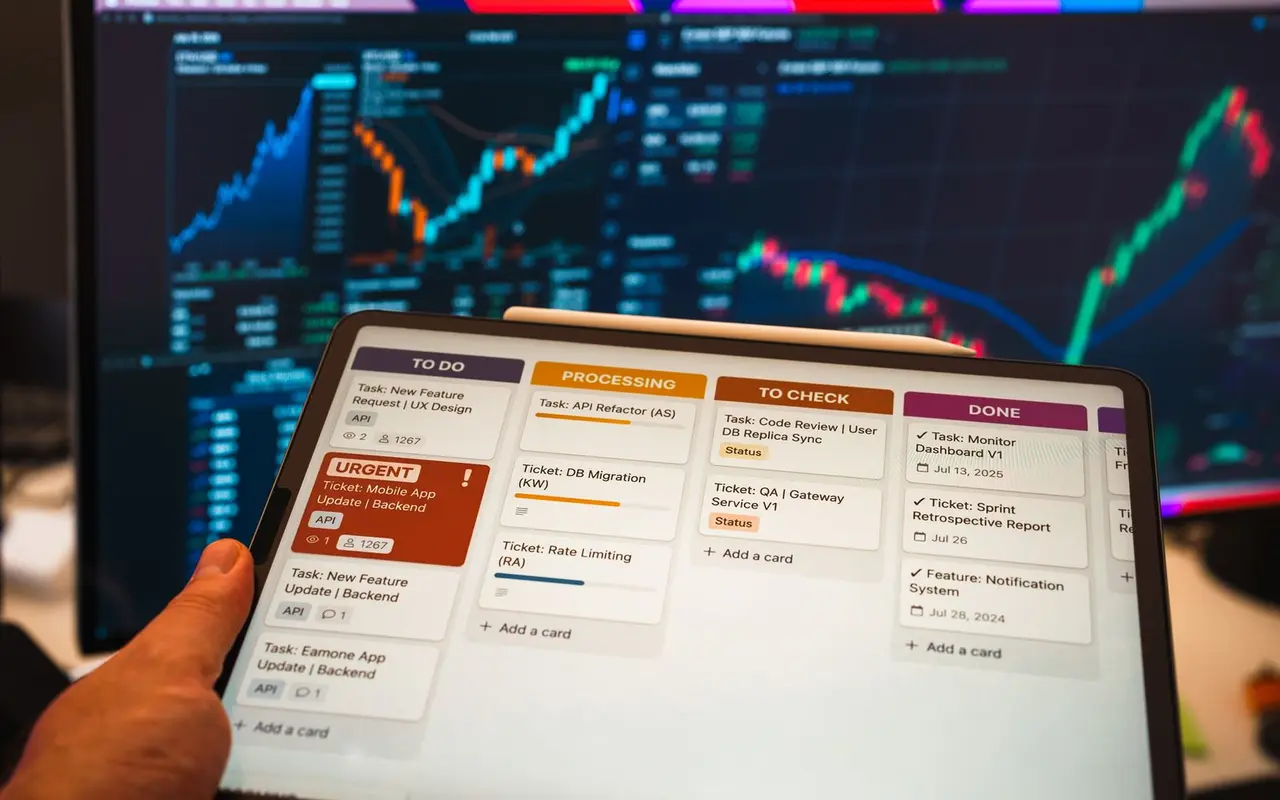
The quantity attached to a market idea can determine whether the idea remains plausible after execution costs. A top-of-book quote describes only the amount offered at that level, while the visible book can change before an order arrives. A liquidity stress test asks how the estimated execution changes with size and less favourable availability. It is a scenario calculation, not a recommendation for how much any particular person should invest.
Build a size-dependent execution curve
For a proposed purchase, accumulate asks from the lowest price upward; for a sale, accumulate bids from the highest price downward. Stop when the required quantity is reached and calculate the quantity-weighted average price. State the reference used to measure impact: last trade, midpoint, best quote and decision price are not interchangeable. Add explicit fees separately and do not charge the same spread twice. Repeat the calculation for several quantities. A market can accommodate a small order cheaply while a larger order crosses a sharp gap between price levels.
A hypothetical book and its weighted price
Consider visible asks of 40 units at 10.00, 60 at 10.02 and 100 at 10.10. Buying 150 units from this unchanged book would cost 400.00 plus 601.20 plus 505.00, or 1506.20 quote units before fees. The average is about 10.0413, roughly 0.413% above the best ask of 10.00. The final price touched is 10.10, which is different from the weighted average paid. These are invented levels. A report should retain both the average and the furthest level because they describe different aspects of the assumed execution.
Remove depth before declaring the size comfortable
A simple stress scenario can halve the available quantity at each displayed level without claiming that this is a calibrated probability. In the example, the remaining total is 100 units, so the original 150-unit order cannot be fully priced from those levels. Report the unpriced remainder; do not assume it fills at the last visible price. A smaller 50-unit purchase would use 20 at 10.00 and 30 at 10.02, costing 500.60 before fees. The purpose is to expose sensitivity to missing liquidity and compare assumptions, not to select a universally safe fraction of visible depth.
Distinguish static capacity from a dynamic market
Displayed orders can cancel, and new liquidity can replenish the book. A static sweep estimate captures neither process completely. CME's liquidity research illustrates why resting depth alone can be an incomplete measure; its observations concern the studied futures market, not a universal coefficient for crypto pairs. For the crypto venue being analysed, compare snapshot estimates with subsequent observed execution where legitimate records exist. Segment by size, volatility and time of day. Avoid fitting one optimistic adjustment from a quiet sample and applying it to every stressed interval.
Stress the exit as well as the entry
A cheap estimated purchase says little about the cost of liquidating the resulting position under pressure. Examine the opposite side of the book and a scenario with wider quotes or a gap near the intended invalidation level. If the available data stop before the full quantity is covered, label the result incomplete. A stop reference is a decision condition, not a promise that all units can be sold there. Include the possibility of partial execution and a remaining position. Keeping these outcomes separate prevents a neat average entry price from hiding an uncertain exit.
Record a decision rule that can reject the proposal
Before comparing candidates, define the maximum estimated cost, input-age limit and minimum coverage required for the size study. Save the normal and stressed calculations together with the snapshots and assumptions. A smaller analysed size may satisfy those limits; an unavailable or excessive-cost result may justify waiting. Neither conclusion predicts direction. In later review, ask whether the cost model was realistic and whether missing-depth episodes were properly held. Improving that model is more useful than making every candidate pass by relaxing the stress assumption after seeing the result.
Sources and example scope
Sources support the definitions and mechanisms. Numerical scenarios are hypothetical teaching examples, not live prices, forecasts or reported HOSTuvo returns. Images are editorial illustrations.