ORDER FLOW
Whale Walls and big orders — a signal or a trap?
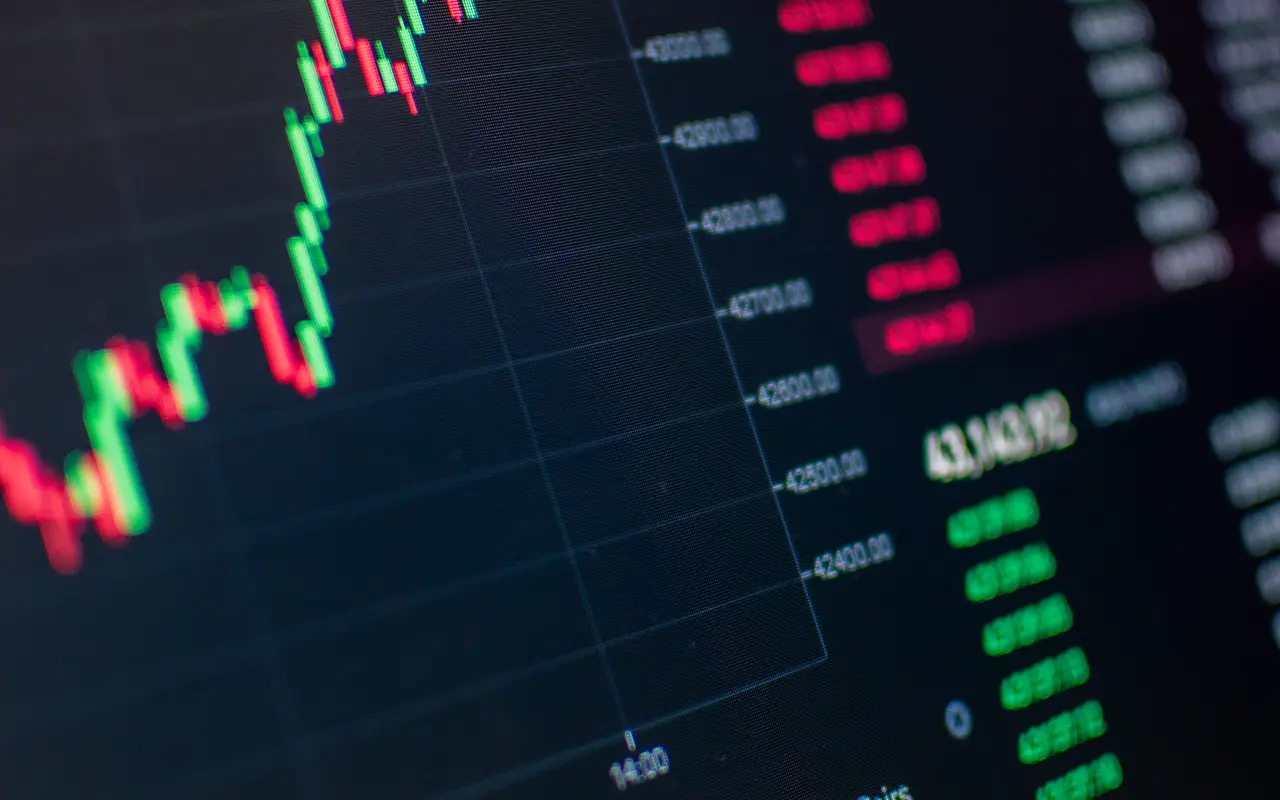
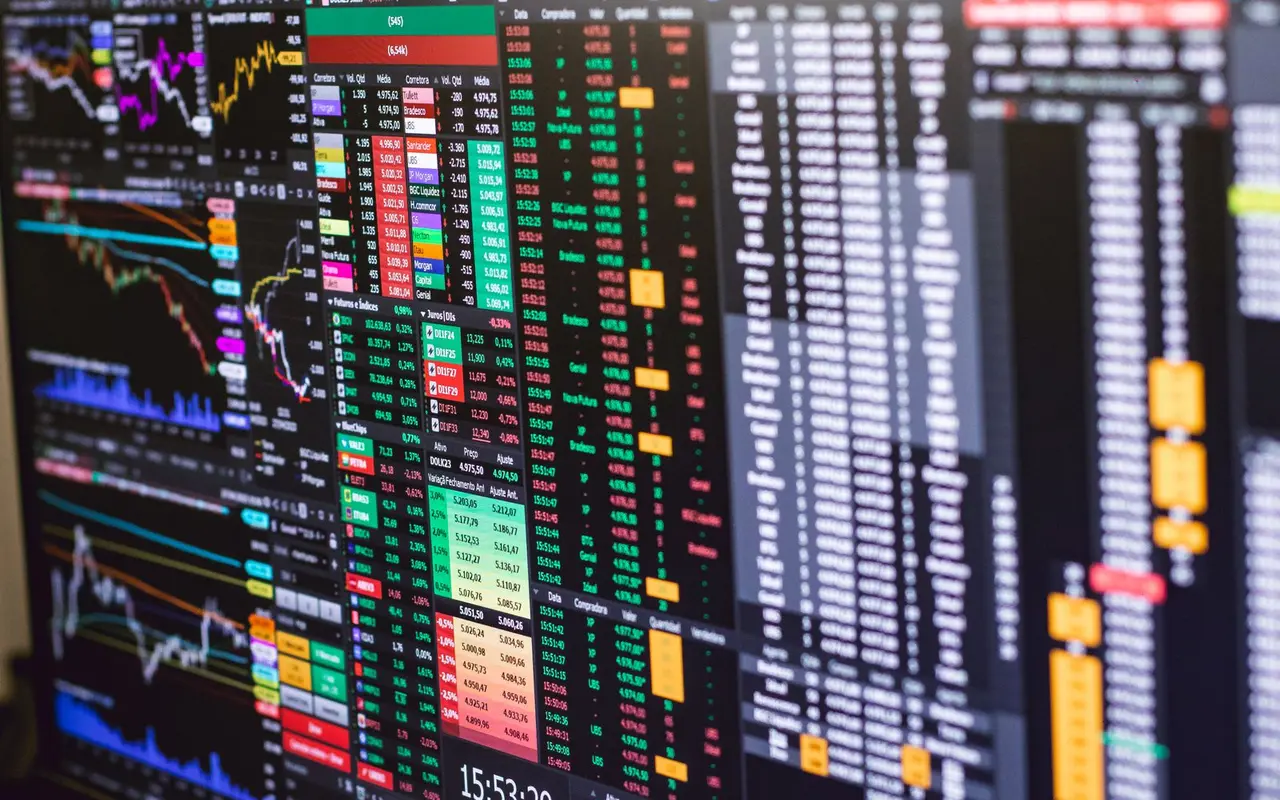
A large wall in the order book attracts attention because it suggests a considerable liquidity on one side. The problem is that the waiting order is not a transaction and can disappear a second before contacting the price.
The problem is that the waiting order is not a transaction and can disappear a second before contacting the price. In market analysis, the most important is the repetitive method: first the context, then the evidence and at the end the conditions of execution. A single observation may draw attention to the market, but should not replace the full process.
What Is Really Worth Watching
The importance of the wall grows if it remains stable when approaching the price, it is partially realized and after it is touched, a clear reaction appears. The size itself is small without life time and execution. It is not about finding one number that settles the situation but about understanding the mechanism and conditions in which the information becomes useful.
How to Read It in Practice
Watch the moving of orders, the rate of their cancellation, the ratio to the average depth and the actual volume performed at the level. It is worth comparing several exchanges to distinguish the local anomaly from the wider phenomenon. It is worth saving the criteria before moving and after time to check whether they were actually met. Only then can you distinguish a useful signal from a story matched to the fact and improve the process based on data.
Most common error
The error is to position the position just in front of the wall, assuming that the "multiple will protect the level". Spoofing and layering orders can intentionally create a false impression of demand or supply. The greater volatility and pressure of time, the easier it is to confuse interesting observation with advantage. Therefore, the condition for cancellation, the quality of the data and the cost of entry should be determined before the decision is made.
How HOSTuvo incorporates this context into the process
HOSTuvo should treat Whale Walls as a short term feature of a microstructure with reduced confidence until there is confirmation in the trade flow. This is one of the reasons why the system combines multiple sources instead of trusting a single snapshot L2. HOSTuvo does not submit automatic orders and does not guarantee the result. Research layers are settled after time, and the new model must be validated before it obtains the production impact.
IN HOSTuvo
See this context in the live terminal.
HOSTuvo should treat Whale Walls as a short term feature of a microstructure with reduced confidence until there is confirmation in the trade flow. This is one of the reasons why the system combines multiple sources instead of trusting a single snapshot L2.