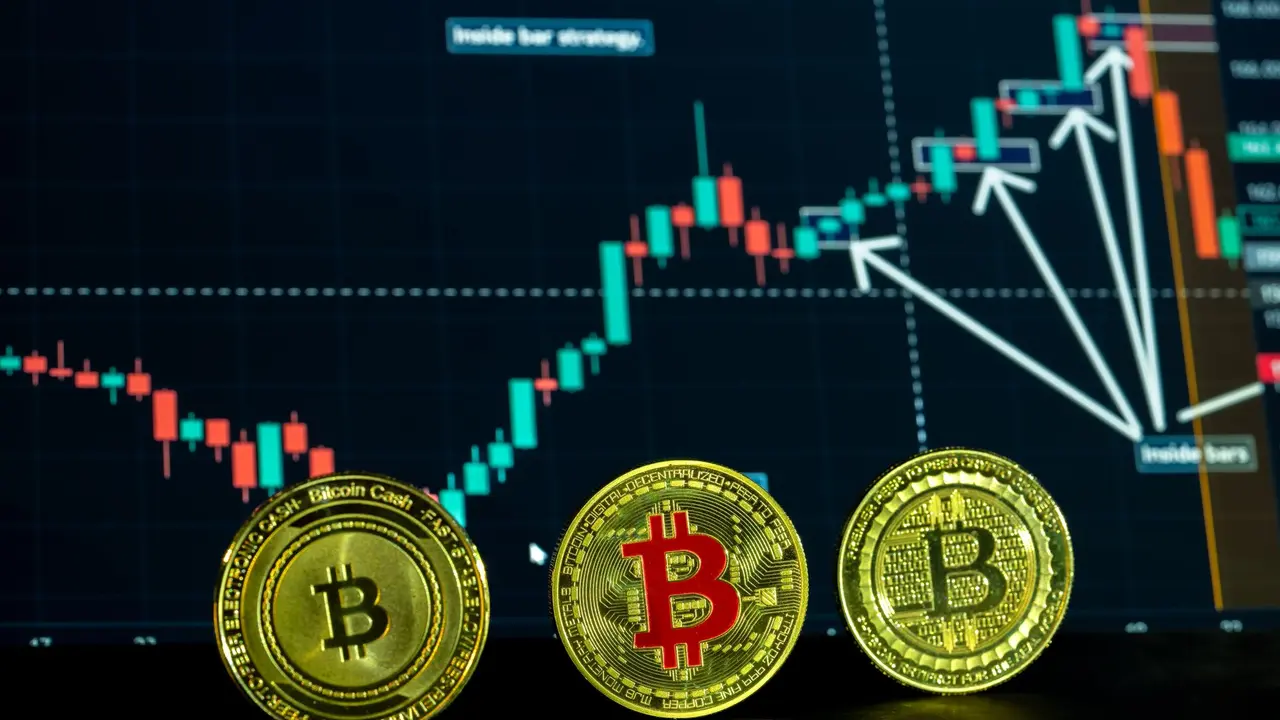
THE CRYPTO MARKET
OI and pounding: How to recognize a crowded trade
High Open Interest and extreme pounding can show a large commitment on one side of the market. This increases susceptibility on the squeeze, but does not automatically set a turning point.
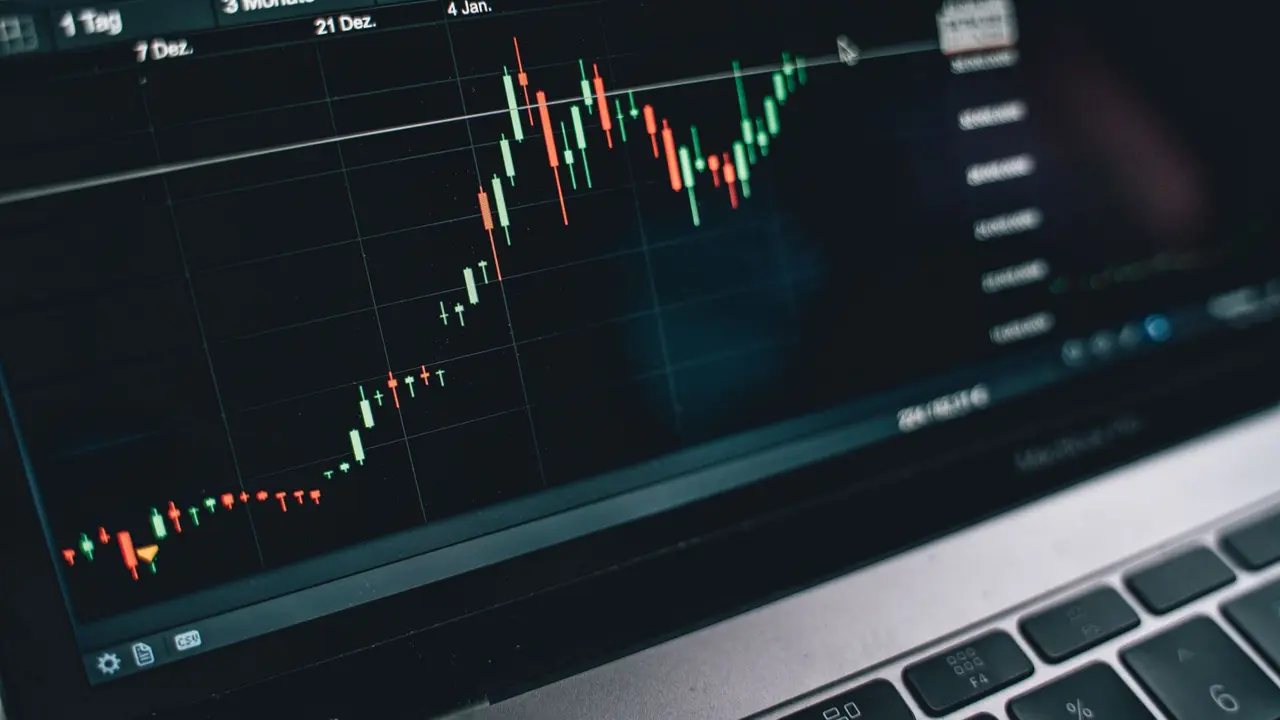
High Open Interest and extreme funding can show a large commitment on one side of the market. This increases susceptibility on the squeeze, but does not automatically set a turning point. The crypto market combines spot, perpetual futures, stablecoins and flows between exchanges. Therefore, one graph does not describe the whole mechanism. The most information is a comparison of price with liquidity, volume, derivatives and market width. The material is editorial-analytical: it organizes the mechanism, indicates the data for observation and shows where the most frequently appears over-interpretation. It is not an investment recommendation or forecast guaranteeing a certain price movement.
What really changes
High Open Interest and extreme foundation can show a great deal of commitment on one side of the market. This increases susceptibility on the squeeze, but does not automatically set a turning point. The most important question is not “is it good or bad for crypto?” but “what exactly changes in the expectations of participants and has the market already valued it?” In practice, the price response is the result of a combination of new information with positioning, liquidity and technical structure. Therefore, it is worth comparing the behaviour before the event, the first reaction and whether the market can maintain a new level after the initial volatility has fallen.
What to Observe
In this topic, it is worth following first of all: OI change, pounding, bass, price response and liquidation levels. The data list itself is not enough — it is their change from the previous state and their compatibility between independent sources. If price, volume and positioning layer say different things, the better conclusion is to “watch” than to try to force a clear direction. Good preparation is to define conditions for confirmation and cancellation before the market makes a violent move.
How the Market Can Respond
The market can react in three ways: accept new information and build a continuation, perform a brief impulse and return to the earlier scope or remain consolidated if the message does not change the risk balance. In each of these versions, the levels of structure, spread and performance quality are important. The greater the volatility, the greater the difference between the price shown on the chart and the price that can be reasonably obtained at the input or exit.
Most common interpretative error
The most common trap is the contrarian entry only because the foundation has reached extreme level. The second mistake is to read the header without checking the reaction of the base market and related instruments. Information can be objectively relevant but already fully discounted. In turn, seemingly small detail can have a big impact if it changes expectations at the moment of highly crowded positioning. Therefore, the content of news itself should not be treated as an entry signal.
How HOSTuvo uses this context
W HOSTuvo This context should be a filter rather than an automatic command. The system can combine price change with PRE-MOVE, Order Flow, derivatives, cross-market and cost of execution. If layers remain contradictory, the result HOLD is a correct answer. If a compatibility occurs, the user should still see the justification: what exactly has changed, what data is fresh and what condition will negate the scenario.
Drafting proposal
The editorial board's conclusion: the value of this information is increasing when we can identify the impact mechanism and measurable data that confirm it. Instead of trying to predict each candle, it is better to build scenarios and observe which market actually is implementing. This process reduces FOMO and allows to distinguish between real change of conditions and short-term noise. HOSTuvo will update this material when the market or regulatory context changes.
IN HOSTuvo
Connect the news with the market reaction.
The editorial board's conclusion: the value of this information is increasing when we can identify the impact mechanism and measurable data that confirm it. Instead of trying to predict each candle, it is better to build scenarios and observe which market actually is implementing. This process reduces FOMO and allows to distinguish between real change of conditions and short-term noise. HOSTuvo will update this material when the market or regulatory context changes.